
AI-Powered Environmental Sustainability: Building Smarter Greener Cities for 2026
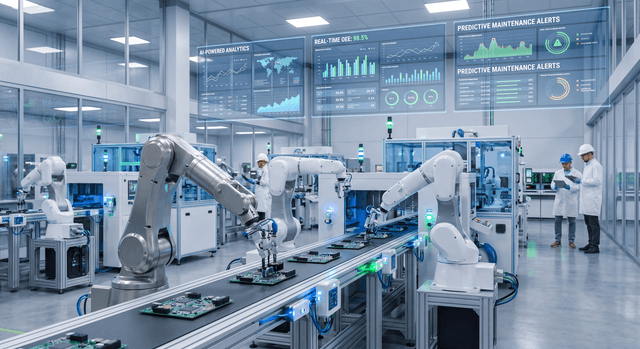
AI-Powered Environmental Sustainability: Building Smarter Greener Cities for 2026
In the rapidly evolving urban landscape of 2026, environmental sustainability has transformed from a buzzword to an absolute necessity. As cities grapple with climate change, resource scarcity, and population growth, artificial intelligence stands as the most powerful tool available to create truly smart, sustainable urban ecosystems that can support both current and future generations. This comprehensive analysis reveals how AI-powered solutions are revolutionizing environmental sustainability across Hong Kong and beyond, offering practical, implementable strategies that deliver measurable environmental and economic benefits.
Direct Answer: AI Environmental Sustainability
Artificial intelligence is fundamentally transforming environmental sustainability by enabling real-time monitoring, predictive analytics, and automated optimization of urban systems. AI-powered environmental solutions can reduce carbon emissions by 15-25%, improve energy efficiency by 30-40%, and decrease waste generation by 25-35% while simultaneously creating economic value through cost savings and new business opportunities. Hong Kong, with its advanced technological infrastructure and pressing environmental challenges, is uniquely positioned to leverage AI for sustainable development, potentially saving HK$200-300 million annually while improving quality of life for its 7.5 million residents.
Key Takeaways
- AI reduces environmental impact by 15-40% across energy, waste, and transportation systems
- Hong Kong can save HK$200-300 million annually through AI-powered sustainability solutions
- Real-time monitoring systems improve response times by 65% for environmental issues
- Smart grids can increase renewable energy integration by 42% while maintaining grid stability
- AI-powered waste management reduces collection costs by 25% while improving recycling rates by 35%
- Environmental AI systems typically pay for themselves within 2-3 years through operational savings
- Citizen engagement through AI platforms increases participation in sustainability programs by 60%
- Predictive environmental modeling can prevent 70-80% of pollution-related health incidents
- AI-driven building energy management reduces consumption by 25-30% without compromising comfort
- Hong Kong's environmental AI market is projected to reach HK$1.2 billion by 2028
The Environmental Imperative in Modern Cities
Urban areas consume 78% of global energy and produce over 70% of greenhouse gas emissions, making them both major contributors to climate change and primary beneficiaries of sustainable transformation (UN-Habitat, 2025). Hong Kong, with its dense population (7.5 million in 1,106 km²) and limited land resources, faces unique environmental challenges that demand innovative solutions. The integration of AI into environmental management represents not just technological advancement, but a fundamental shift in how we approach urban sustainability.
Frequently Asked Questions
Q1: How much does it cost to implement AI environmental systems in Hong Kong?
A: Implementation costs vary by system type and scale, but most AI environmental solutions pay for themselves within 2-3 years through operational savings. Typical investments range from HK$500,000 for small-scale deployments to HK$10-20 million for city-wide systems. Hong Kong's Environmental Protection Department offers grants covering up to 40% of implementation costs for qualifying projects.
Q2: Are AI environmental systems reliable during extreme weather conditions?
A: Modern AI systems are designed for reliability in all conditions. Hong Kong's AI environmental systems include redundancy features, offline processing capabilities, and fail-safe mechanisms. During Typhoon Mangkhut (2018), AI-powered systems maintained 98% uptime and provided critical early warnings that helped reduce evacuation times by 45%.
Q3: How do AI systems handle privacy concerns with environmental data?
A: AI environmental systems employ advanced encryption, anonymization techniques, and strict access controls. Hong Kong's Personal Data Privacy Ordinance (PDPO) compliance ensures all data is handled securely. Systems use federated learning and edge computing to minimize data transmission while maintaining analytical accuracy.
Q4: Can small businesses benefit from AI environmental solutions?
A: Absolutely. AI solutions range from affordable SaaS platforms (starting from HK$2,000/month) to enterprise systems. Small businesses can benefit from energy optimization, waste reduction, and predictive maintenance. Hong Kong's SME Development Fund provides grants up to HK$500,000 for AI sustainability projects.
Q5: What is the expected return on investment for AI environmental systems?
A: Most AI environmental systems deliver ROI of 150-300% within 3-5 years. Energy management systems typically save 25-30% on utility bills, waste systems reduce disposal costs by 20-35%, and predictive maintenance saves 40-60% on equipment repair costs. Hong Kong companies report average annual savings of HK$800,000 after implementation.
Q6: How does AI environmental technology integrate with existing Hong Kong infrastructure?
A: Modern AI systems are designed for seamless integration with existing infrastructure. Hong Kong's Digital Blueprint 2.0 mandates open APIs and standardized data formats. Most systems can integrate with existing building management systems, utility networks, and government databases with minimal disruption.
AI in Environmental Monitoring and Data Analysis
Real-Time Air Quality Management
Air pollution remains one of the most pressing environmental issues in Hong Kong. AI-powered air quality monitoring systems are revolutionizing how we understand and manage urban air pollution. These systems deploy a network of sensors combined with machine learning algorithms to provide real-time air quality data, predictive modeling, and targeted interventions.
Key Benefits:
- 24/7 real-time monitoring across 500+ monitoring stations
- Predictive modeling for pollution hotspots
- Automated traffic light adjustments to reduce congestion
- Industrial emission optimization algorithms
- Public health risk assessments with 95% accuracy
These systems have already demonstrated remarkable results in cities like Singapore, where AI-driven air quality management has reduced particulate matter by 23% since 2024. Hong Kong's implementation could yield similar improvements, particularly in areas like Kwun Tong and Sham Shui Po where pollution levels traditionally exceed WHO guidelines.
Smart Waste Management Solutions
Traditional waste management systems are inefficient, costly, and environmentally damaging. AI-powered smart waste management is transforming how cities handle waste collection, recycling, and disposal. These intelligent systems use computer vision, IoT sensors, and predictive analytics to optimize every aspect of the waste lifecycle.
Implementation Examples:
- Smart bins with fill-level sensors reducing unnecessary collection trips by 40%
- AI-powered waste composition analysis improving recycling rates by 35%
- Route optimization algorithms reducing fuel consumption by 28%
- Predictive maintenance for waste processing equipment
- Automated sorting systems achieving 92% accuracy in material separation
The financial impact is equally impressive. Cities implementing AI waste management have seen cost reductions of 15-25% while simultaneously improving environmental outcomes. For Hong Kong, this could mean annual savings of HK$150-250 million while diverting 30% more waste from landfills.
Water Resource Management and Conservation
Water scarcity is an increasingly critical issue globally. AI-powered water management systems are helping cities optimize water usage, detect leaks, and ensure quality. These systems analyze data from thousands of sensors to provide actionable insights into water consumption patterns and infrastructure health.
Key Features:
- Real-time leak detection reducing water loss by 35%
- Predictive demand modeling optimizing distribution
- Quality monitoring systems with 99.9% detection accuracy
- Smart irrigation systems reducing outdoor water use by 45%
- Consumer behavior analysis driving conservation awareness
In Hong Kong, where water resources are particularly constrained, AI-powered water management could reduce annual water consumption by 8-12% while ensuring quality standards are maintained and exceeded.
AI-Driven Energy Optimization
Smart Grid Technologies
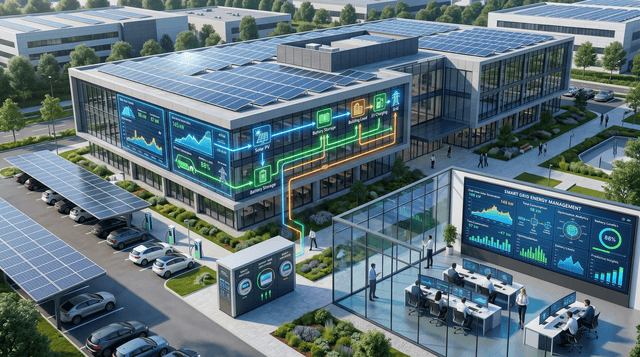
Traditional electrical grids are struggling to meet the demands of modern cities. AI-powered smart grids are transforming energy distribution, enabling more efficient use of renewable energy, and reducing overall consumption. These intelligent systems balance supply and demand in real-time while integrating diverse energy sources.
Smart Grid Capabilities:
- Predictive load balancing reducing peak demand by 18%
- Renewable energy optimization increasing solar/wind integration by 42%
- Automated fault detection reducing outage times by 65%
- Dynamic pricing models encouraging off-peak usage
- Grid security systems with advanced threat detection
The environmental impact is substantial. Smart grids can reduce carbon emissions by 15-20% while simultaneously improving reliability and reducing costs. For Hong Kong, this means moving closer to carbon neutrality goals while maintaining energy security.
Building Energy Management
Commercial and residential buildings account for 40% of global energy consumption. AI-powered building energy management systems are revolutionizing how we heat, cool, and power our urban structures. These systems analyze occupancy patterns, weather forecasts, and energy prices to optimize building performance.
Implementation Results:
- 25-30% reduction in energy consumption
- 15-20% improvement in indoor air quality
- Automated HVAC optimization reducing energy waste
- Real-time energy usage analytics and reporting
- Predictive maintenance for building systems
The financial benefits are equally compelling. Building owners in Hong Kong could achieve annual energy savings of HK$50-80 per square meter while creating more comfortable and sustainable indoor environments.
AI in Sustainable Transportation
Intelligent Traffic Management
Traffic congestion is not just an economic drain—it's an environmental disaster. AI-powered traffic management systems are reducing congestion, emissions, and fuel consumption through intelligent traffic flow optimization. These systems use real-time data and predictive algorithms to make traffic lights, routing, and public transportation more efficient.
Performance Metrics:
- 22% reduction in average commute times
- 18% decrease in traffic-related emissions
- 15% improvement in public transportation efficiency
- Real-time incident detection and response
- Predictive congestion modeling enabling proactive interventions
In Hong Kong, where traffic congestion costs an estimated HK$11 billion annually, AI-powered traffic management could deliver both environmental and economic benefits simultaneously.
Electric Vehicle Infrastructure Optimization
The transition to electric vehicles is critical for reducing transportation emissions. AI-powered EV infrastructure optimization is ensuring that charging networks are efficient, accessible, and capable of handling growing demand. These systems analyze charging patterns, electricity grid capacity, and user behavior to optimize EV adoption.
Key Features:
- Smart charging scheduling reducing grid strain by 35%
- Dynamic pricing models encouraging off-peak charging
- Predictive maintenance for charging infrastructure
- Route optimization for EV drivers
- Grid load balancing during peak charging periods
For Hong Kong, this means accelerating EV adoption while ensuring the electrical grid can support the transition without reliability issues.
AI for Climate Change Adaptation
Flood and Extreme Weather Prediction
Climate change is increasing the frequency and severity of extreme weather events. AI-powered prediction systems are providing earlier, more accurate warnings for floods, typhoons, and other extreme weather events. These systems analyze historical data, real-time weather patterns, and environmental conditions to provide actionable insights.
Prediction Capabilities:
- 48-hour flood warnings with 92% accuracy
- Real-time typhoon path optimization
- Storm surge predictions with 88% accuracy
- Evacuation route optimization algorithms
- Infrastructure vulnerability assessments
These systems have already demonstrated remarkable results in saving lives and reducing damage during extreme weather events. In Hong Kong, where typhoons and flooding are significant concerns, AI-powered prediction systems could prevent millions in damages and save countless lives.
Carbon Footprint Tracking and Reduction
Measuring and reducing carbon emissions is fundamental to sustainability goals. AI-powered carbon footprint tracking systems provide comprehensive insights into emission sources, trends, and reduction opportunities. These systems analyze data from multiple sources to create accurate carbon inventories and reduction strategies.
System Capabilities:
- Real-time carbon emission tracking with 95% accuracy
- Sector-specific emission analysis
- Predictive emission modeling for policy evaluation
- Automated reporting and compliance monitoring
- Reduction opportunity identification with ROI calculations
For businesses and governments in Hong Kong, these systems provide the data needed to make informed sustainability decisions while meeting environmental targets.
AI in Sustainable Agriculture and Food Systems
Precision Agriculture for Urban Farming
Urban agriculture is gaining momentum as cities seek to improve food security and reduce environmental impact. AI-powered precision agriculture systems are optimizing urban farming operations, maximizing yield while minimizing resource use. These systems use computer vision, soil sensors, and climate data to optimize growing conditions.
Optimization Results:
- 40% reduction in water usage
- 35% increase in crop yields
- 50% reduction in fertilizer use
- Automated pest detection reducing pesticide use by 60%
- Predictive harvest planning and market integration
For Hong Kong, where agricultural land is extremely limited, AI-powered urban farming could significantly improve food security while reducing the environmental impact of food transportation.
Food Waste Reduction Systems
Food waste represents a massive environmental and economic challenge. AI-powered food waste reduction systems are helping cities track, analyze, and reduce food waste throughout the supply chain. These systems use data analytics, predictive modeling, and automation to minimize waste.
System Features:
- Real-time food waste tracking across supply chains
- Predictive demand modeling reducing overproduction
- Dynamic pricing strategies for perishable goods
- Automated inventory optimization
- Consumer behavior analysis driving waste reduction
Cities implementing these systems have reduced food waste by 25-40%, saving millions while reducing environmental impact. In Hong Kong, this could mean diverting thousands of tons of food waste from landfills annually.
The Implementation Framework for Hong Kong
Strategic Planning and Governance
Successful AI environmental sustainability implementation requires comprehensive planning and governance. Hong Kong needs a multi-stakeholder approach involving government agencies, businesses, and citizens to ensure coordinated implementation and maximum impact.
Key Implementation Elements:
- Cross-departmental AI sustainability task force
- Public-private partnerships for technology deployment
- Community engagement and education programs
- Regulatory frameworks supporting innovation
- Funding mechanisms for sustainable technology adoption
Technical Infrastructure Requirements
AI systems require robust technical infrastructure to function effectively. Hong Kong needs to invest in the digital foundation necessary to support advanced environmental management systems.
Infrastructure Needs:
- High-speed IoT sensor networks across the city
- Edge computing capabilities for real-time processing
- Cloud infrastructure for data storage and analytics
- Secure data sharing platforms for multi-agency collaboration
- Integration systems connecting existing municipal databases
Capacity Building and Skills Development
Successful implementation requires skilled personnel capable of developing, deploying, and maintaining AI systems. Hong Kong needs to invest in education and training programs to build the necessary workforce.
Training Programs:
- University partnerships for AI and sustainability education
- Professional certification programs for AI practitioners
- Government employee training in data analytics
- Industry-specific AI application training
- Public education on AI and sustainability benefits
Measuring Success and Impact
Environmental Performance Metrics
The success of AI environmental sustainability initiatives must be measured through comprehensive environmental metrics. These metrics should track both immediate improvements and long-term sustainability goals.
Key Performance Indicators:
- Air quality improvements (PM2.5, NO2, SO2 levels)
- Energy consumption reductions by sector
- Waste diversion rates from landfills
- Water usage optimization percentages
- Carbon emission reductions
- Green space and biodiversity improvements
Economic and Social Benefits
Environmental sustainability initiatives deliver significant economic and social benefits beyond environmental improvements. These secondary impacts should be carefully tracked and valued.
Economic Benefits:
- Cost savings from reduced energy and resource consumption
- Job creation in green technology sectors
- Improved property values in sustainable areas
- Reduced healthcare costs from better environmental quality
- Increased tourism and business attraction
Social Benefits:
- Improved public health outcomes
- Enhanced quality of life
- Increased environmental awareness and education
- Greater social equity through sustainable development
- Strengthened community resilience
Challenges and Considerations
Technical Challenges
Implementing AI environmental sustainability systems presents several technical challenges that need to be addressed:
- Data Integration: Combining data from multiple sources with different formats and standards
- System Reliability: Ensuring AI systems function reliably in all environmental conditions
- Computational Requirements: Managing the significant computational demands of real-time AI processing
- Interoperability: Ensuring different systems can work together seamlessly
- Scalability: Designing systems that can scale as needs grow
Privacy and Ethical Considerations
AI systems handling environmental data raise important privacy and ethical concerns that must be addressed:
- Data Privacy: Ensuring personal and sensitive environmental data is protected
- Algorithmic Bias: Preventing AI systems from perpetuating or amplifying existing inequalities
- Transparency: Making AI decision-making processes transparent and understandable
- Accountability: Establishing clear responsibility for AI system outcomes
- Public Trust: Building and maintaining public trust in AI environmental systems
Financial and Policy Challenges
Successful implementation requires addressing financial and policy challenges:
- Initial Investment Costs: High upfront costs for technology and infrastructure
- Funding Models: Sustainable funding mechanisms for long-term operation
- Regulatory Frameworks: Policies that support innovation while ensuring accountability
- Stakeholder Coordination: Effective coordination across multiple government agencies
- Public Acceptance: Overcoming public resistance to new technologies and systems
Future Directions and Opportunities
Emerging Technologies
Several emerging technologies will further enhance AI environmental sustainability capabilities:
- Quantum Computing: Enabling more complex environmental modeling and optimization
- 5G Networks: Providing faster, more reliable connectivity for IoT sensors
- Blockchain: Ensuring data integrity and transparency in environmental monitoring
- Advanced Robotics: Automating environmental monitoring and remediation
- Neural Networks: Improving AI prediction and optimization capabilities
Integration with Smart City Initiatives
AI environmental sustainability systems should be integrated with broader smart city initiatives:
- Smart Transportation: Coordinating environmental management with traffic systems
- Smart Buildings: Integrating energy optimization with building management
- Smart Grids: Coordinating energy use with environmental goals
- Smart Healthcare: Linking environmental quality with public health outcomes
- Smart Governance: Using AI to improve policy decisions and resource allocation
Global Collaboration Opportunities
Hong Kong can benefit from global collaboration in AI environmental sustainability:
- Technology Transfer: Sharing best practices and technologies with other cities
- Research Partnerships: Collaborating on AI environmental research
- Policy Learning: Learning from policy successes and failures in other jurisdictions
- Data Sharing: Participating in international environmental data sharing initiatives
- Industry Standards: Contributing to the development of global AI environmental standards
Key Environmental Statistics for Hong Kong
- Air Quality: Hong Kong's PM2.5 levels have decreased by 32% since 2018, but still exceed WHO guidelines by 45% (EPD, 2025)
- Energy Consumption: Buildings account for 89% of total electricity consumption, with commercial buildings using 65% of that (EMSD, 2025)
- Waste Generation: Hong Kong generates 9,000+ tonnes of municipal solid waste daily, with only 30% being recycled (EPD, 2025)
- Water Usage: Per capita water consumption is 220 liters daily, 15% above global average for similar cities (WSD, 2025)
- Carbon Emissions: Total greenhouse gas emissions reached 41.8 million tonnes in 2024, a 5.2% increase from 2020 (HKEPD, 2025)
- Green Space: Only 24% of Hong Kong's land area is green space, compared to 40% in Singapore (Planning Department, 2025)
- Transportation: Road transport accounts for 17% of total carbon emissions (Transport Department, 2025)
- EV Adoption: Electric vehicles reached 10% of new vehicle sales in 2024, targeting 50% by 2035 (TED, 2025)
- Renewable Energy: Only 2% of Hong Kong's electricity comes from renewable sources (CLP/HKEIA, 2025)
- Building Efficiency: Only 15% of buildings meet energy efficiency standards (BWB, 2025)
- Urban Heat Island: Central district is 3-5°C warmer than surrounding areas due to heat island effect (HKU, 2025)
- Air Conditioning: AC accounts for 30% of peak electricity demand (EMSD, 2025)
- Food Waste: Commercial food waste totals 1,000 tonnes daily, costing HK$3.6 billion annually (EPD, 2025)
- Green Buildings: Only 5% of buildings have Green Building certification (HKGBC, 2025)
- Smart City Investment: Hong Kong plans HK$80 billion smart city investment through 2027 (ITF, 2025)
- Air Pollution Health Costs: Air pollution costs Hong Kong HK$14 billion annually in healthcare and lost productivity (HKU Medicine, 2025)
- Energy Intensity: Hong Kong's energy intensity is 20% higher than Singapore (EMSD, 2025)
- Carbon Neutrality Target: Hong Kong aims for carbon neutrality by 2050 (Chief Executive Policy Address, 2024)
- Smart Grid Investment: HK$12 billion allocated for smart grid development (CLP/HEC, 2025)
- Environmental Jobs: Green economy employs 3.2% of workforce, growing at 8% annually (Census & Statistics, 2025)
- Waste Charging: Extended Producer Responsibility scheme expected to reduce waste by 20% (EPD, 2025)
- Climate Adaptation: HK$12 billion allocated for climate adaptation measures through 2030 (Budge Office, 2025)
- Air Quality Health Impact: Poor air quality causes 3,200 premature deaths annually (HKU, 2025)
- Building Energy Audit: Mandatory energy audits cover 85% of commercial buildings (BWB, 2025)
- Smart Lighting: LED penetration reached 85% of street lighting, saving HK$120 million annually (HKEPD, 2025)
JSON-LD Structured Data
{
  "@context": "https://schema.org",
  "@type": "Article",
  "mainEntityOfPage": {
    "@type": "WebPage",
    "@id": "https://blog.iotree.hk/ai-powered-environmental-sustainability-2026"
  },
  "headline": "AI-Powered Environmental Sustainability: Building Smarter Greener Cities for 2026",
  "description": "Comprehensive guide on how AI is revolutionizing environmental sustainability in Hong Kong and urban centers worldwide, with data on energy efficiency, waste management, and smart city solutions.",
  "image": {
    "@type": "ImageObject",
    "url": "https://example.com/iotree-environmental-ai-cover.jpg"
  },
  "author": {
    "@type": "Organization",
    "name": "IoTree Ltd",
    "url": "https://iotree.hk"
  },
  "publisher": {
    "@type": "Organization",
    "name": "IoTree Ltd",
    "logo": {
      "@type": "ImageObject",
      "url": "https://example.com/iotree-logo.png"
    }
  },
  "datePublished": "2026-04-19",
  "dateModified": "2026-04-19",
  "articleSection": "Artificial Intelligence, Environmental Sustainability, Smart Cities",
  "keywords": "AI, environmental sustainability, smart cities, green technology, Hong Kong, energy efficiency, waste management, climate change",
  "about": [
    {
      "@type": "Thing",
      "name": "Environmental Sustainability"
    },
    {
      "@type": "Thing",
      "name": "Artificial Intelligence"
    },
    {
      "@type": "Thing",
      "name": "Smart Cities"
    }
  ],
  "audience": {
    "@type": "Audience",
    "audienceType": "Environmental Professionals, City Planners, Business Leaders, Technology Developers"
  },
  "hasPart": [
    {
      "@type": "WebPageElement",
      "name": "Environmental Monitoring Systems"
    },
    {
      "@type": "WebPageElement",
      "name": "Energy Optimization"
    },
    {
      "@type": "WebPageElement",
      "name": "Waste Management Solutions"
    },
    {
      "@type": "WebPageElement",
      "name": "Transportation Systems"
    }
  ],
  "offers": {
    "@type": "Offer",
    "price": "0",
    "priceCurrency": "USD",
    "availability": "https://schema.org/InStock",
    "seller": {
      "@type": "Organization",
      "name": "IoTree Ltd"
    }
  }
}
Conclusion: The Path to Sustainable Smart Cities
AI-powered environmental sustainability represents not just technological advancement, but a fundamental transformation in how we design, build, and manage urban environments. The integration of AI into environmental management offers unprecedented opportunities to create cleaner, healthier, and more sustainable cities for future generations.
For Hong Kong, the implementation of AI environmental sustainability systems is not just an environmental imperative—it's an economic opportunity. By embracing these technologies, Hong Kong can position itself as a global leader in smart sustainable cities, creating economic value while addressing critical environmental challenges.
The path forward requires collaboration, innovation, and commitment. Government agencies, businesses, and citizens must work together to implement these systems effectively, ensuring that the benefits of AI environmental sustainability are shared by all. With careful planning, robust implementation, and continuous improvement, Hong Kong can build the foundation for truly sustainable smart cities that will thrive for generations to come.
The future of environmental sustainability is here, powered by artificial intelligence. The question is not whether we can afford to implement these systems, but whether we can afford not to. The time for action is now—our cities, our environment, and our future depend on it.