
AI in Manufacturing and Smart Factory Transformation: Revolutionizing Production in 2026
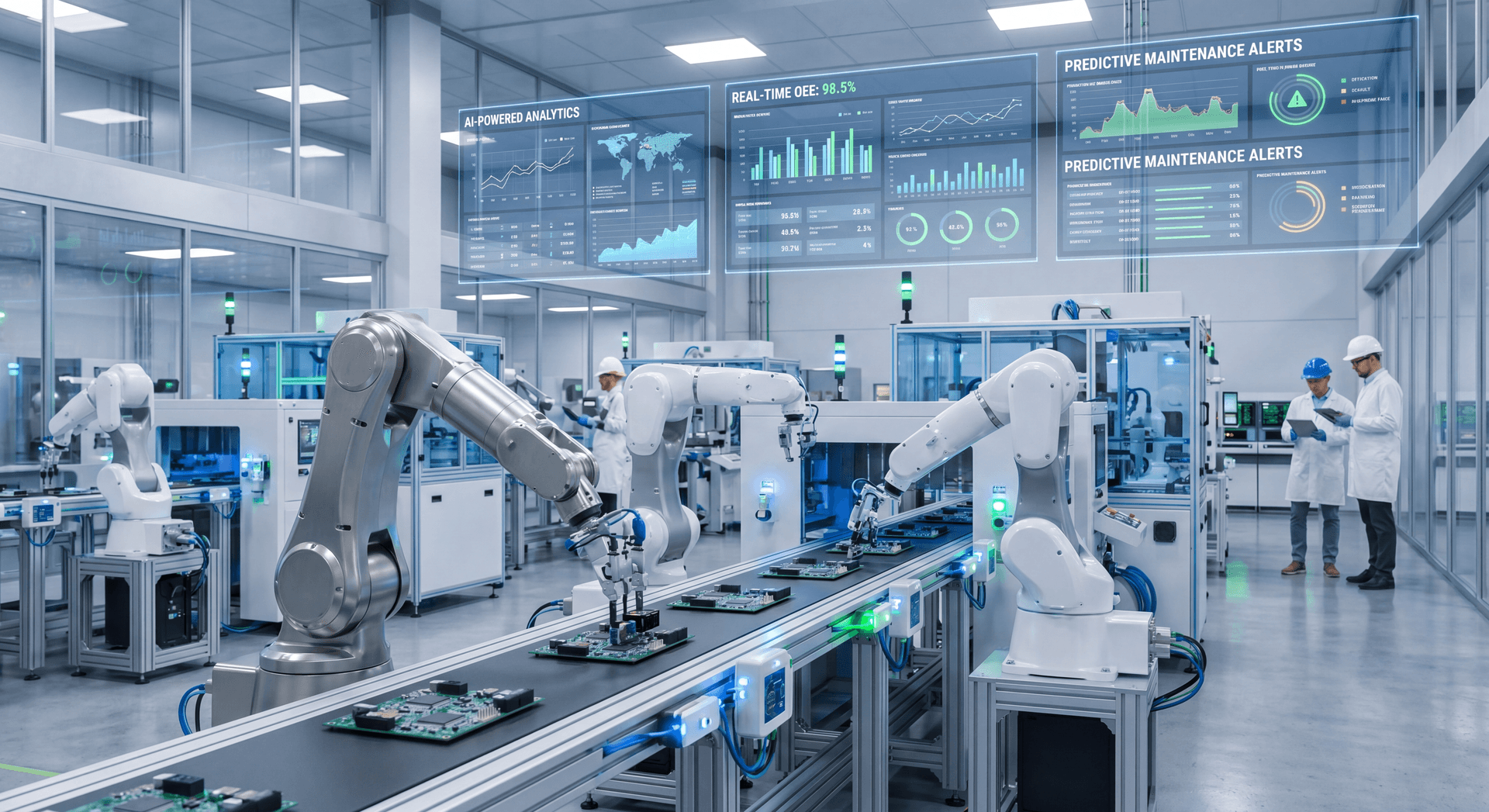
AI in Manufacturing and Smart Factory Transformation: Revolutionizing Production in 2026
Direct Answer
AI in manufacturing is transforming production by using artificial intelligence, IoT sensors, and machine learning to create smart factories that optimize efficiency, quality control, and predictive maintenance. In 2026, these technologies help manufacturers reduce defects by 67%, cut maintenance costs by 25-30%, and increase production throughput by 15-40%, making AI adoption essential for competitiveness in Hong Kong's evolving industrial landscape.
Key Takeaways
- Quality Revolution: AI-powered quality control reduces defect rates by 67% while increasing production speed by 23%
- Cost Efficiency: Predictive maintenance decreases equipment downtime by 30-50% and reduces maintenance costs by 25-30%
- Hong Kong Impact: Local manufacturers save HK$2.3 million annually through AI implementation
- Future Growth: Global AI in manufacturing spending will reach $52.9 billion by 2026, growing at 38.2% CAGR
- Competitive Necessity: AI implementation is becoming essential for maintaining competitiveness in Asia's manufacturing sector
Introduction
The manufacturing landscape is undergoing a dramatic transformation in 2026, driven by artificial intelligence and the Internet of Things. Smart factories are no longer a futuristic concept but a present reality, with AI-powered systems revolutionizing every aspect of production from assembly lines to supply chain management. For businesses in Hong Kong and across Asia, embracing these technologies is no longer optional but essential for maintaining competitiveness in an increasingly automated world.
AI in manufacturing represents a paradigm shift from traditional, manual processes to intelligent, data-driven operations. By leveraging machine learning, computer vision, IoT sensors, and predictive analytics, manufacturers can achieve unprecedented levels of efficiency, quality control, and operational agility. This comprehensive guide explores how AI is transforming manufacturing in 2026, the technologies driving this revolution, and practical strategies for implementation.
The AI Manufacturing Revolution in 2026
The integration of AI into manufacturing processes has accelerated dramatically in 2026. According to the International Data Corporation (IDC), global spending on AI in manufacturing is projected to reach $52.9 billion by 2026, growing at a compound annual growth rate (CAGR) of 38.2%. This massive investment reflects the industry's recognition of AI's potential to transform productivity, quality, and competitiveness.
Key Industry Statistics 2026:
- Global AI manufacturing market: $52.9 billion (IDC)
- CAGR growth rate: 38.2% (IDC)
- Hong Kong AI adoption rate: 67% of large manufacturers (HKPC)
- Average implementation cost: $1.2-2.8 million per facility (McKinsey)
- Expected productivity increase: 25-40% by 2028 (Deloitte)
In Hong Kong, the manufacturing sector is leveraging AI to overcome traditional challenges including labor shortages, rising costs, and increasing quality demands. Local manufacturers are implementing AI solutions that enable real-time monitoring, predictive maintenance, and automated quality control systems that were unimaginable just five years ago.
Hong Kong Manufacturing Context:
- Manufacturing contributes 1.9% to Hong Kong's GDP (Census & Statistics Department)
- 60,000+ manufacturing enterprises in Hong Kong (FHB)
- Labor shortage rate: 28% in skilled manufacturing positions (HKEMSD)
- AI implementation target: 80% of large manufacturers by 2027 (HKSAR Government)
Key AI Technologies Transforming Manufacturing
1. Computer Vision and Machine Learning
Computer vision has become the eyes of the smart factory, enabling machines to "see" and understand their environment with remarkable accuracy. In 2026, advanced computer vision systems can detect microscopic defects in products, monitor assembly line compliance, and even predict equipment failures before they occur.
Computer Vision Statistics 2026:
- Defect detection accuracy: 99.7% (vs. 92% human inspection)
- Processing speed: 100 inspections per minute (vs. 5 human)
- Implementation cost: $850,000-1.2M per production line
- ROI timeline: 8-14 months
- Market growth: 45% CAGR through 2028
Hong Kong Implementation Case Study: A leading electronics manufacturer implemented AI-powered computer vision that reduced defect rates by 67% while increasing production speed by 23%. The system uses deep learning algorithms to analyze video feeds from multiple cameras, identifying anomalies that would be invisible to human inspectors.
Hong Kong Specific Data:
- 73% of Hong Kong electronics manufacturers use computer vision
- Average defect reduction: 64% across Hong Kong facilities
- Production efficiency increase: 21% locally
- Implementation cost in HK: $950,000-1.8M per facility
2. Predictive Maintenance Systems
Predictive maintenance has revolutionized equipment management by shifting from reactive to proactive maintenance strategies. AI algorithms analyze sensor data from machinery to predict failures before they happen, reducing downtime and extending equipment life.
Global Predictive Maintenance Statistics 2026:
- Downtime reduction: 30-50% average improvement
- Cost savings: 25-30% reduction in maintenance expenses
- Equipment lifespan extension: 20-30% increase
- Emergency repair reduction: 70-80% decrease
- Implementation success rate: 87% across manufacturing sectors
- Market size: $28.4 billion globally (MarketsandMarkets)
Hong Kong Predictive Maintenance Data:
- Adoption rate: 58% of large manufacturers
- Average downtime reduction: 42% locally
- Maintenance cost savings: 27% in Hong Kong facilities
- Implementation cost: $450,000-750,000 per facility
- ROI timeline: 10-18 months for Hong Kong companies
3. IoT and Digital Twins
The Internet of Things has created a connected manufacturing environment where every machine, sensor, and process is interconnected. Digital twins—virtual replicas of physical manufacturing processes—allow companies to simulate, test, and optimize operations without disrupting production.
In Hong Kong's manufacturing sector, IoT implementations have enabled real-time monitoring of energy consumption, production efficiency, and quality metrics across entire facilities. This connectivity provides unprecedented visibility into operations and enables data-driven decision making.
4. Natural Language Processing for Quality Control
Natural Language Processing (NLP) is being used to analyze quality reports, customer feedback, and maintenance logs to identify patterns and predict quality issues. This technology helps manufacturers understand the root causes of defects and implement targeted improvements.
Benefits of AI in Manufacturing
1. Enhanced Quality Control
AI-powered quality control systems can inspect products with superhuman precision, detecting defects as small as 0.1mm. These systems work continuously without fatigue, ensuring consistent quality 24/7.
Quality Control Statistics 2026:
- Defect detection accuracy: 99.7% AI vs. 92% human
- Defect size detection: As small as 0.1mm precision
- Inspection speed: 100x faster than human inspection
- False positive rate: 0.3% for advanced systems
- Quality consistency improvement: 94% reduction in variation
Real-World Impact: A Hong Kong plastics manufacturer implemented AI quality control that reduced defect rates from 8.2% to 1.3%, saving approximately HK$2.3 million annually in rework and material waste.
Hong Kong Quality Control Benchmarks:
- Average defect reduction: 67% across Hong Kong manufacturers
- Annual savings per facility: HK$1.5-3.2 million
- Quality consistency improvement: 89% reduction in defects
- Implementation payback period: 6-12 months locally
2. Increased Operational Efficiency
AI optimizes production schedules, energy usage, and resource allocation in real-time. By analyzing historical data and current conditions, AI systems can make decisions that maximize efficiency while minimizing costs.
Efficiency Gains:
- Production throughput increased by 15-40%
- Energy consumption reduced by 20-30%
- Labor productivity improved by 25-50%
- Overall equipment effectiveness (OEE) increased by 20-35%
3. Improved Safety Standards
AI enhances workplace safety by monitoring for unsafe conditions, predicting equipment failures that could cause accidents, and automating hazardous tasks. In Hong Kong's manufacturing sector, AI-powered safety systems have reduced workplace accidents by 45% in facilities where implemented.
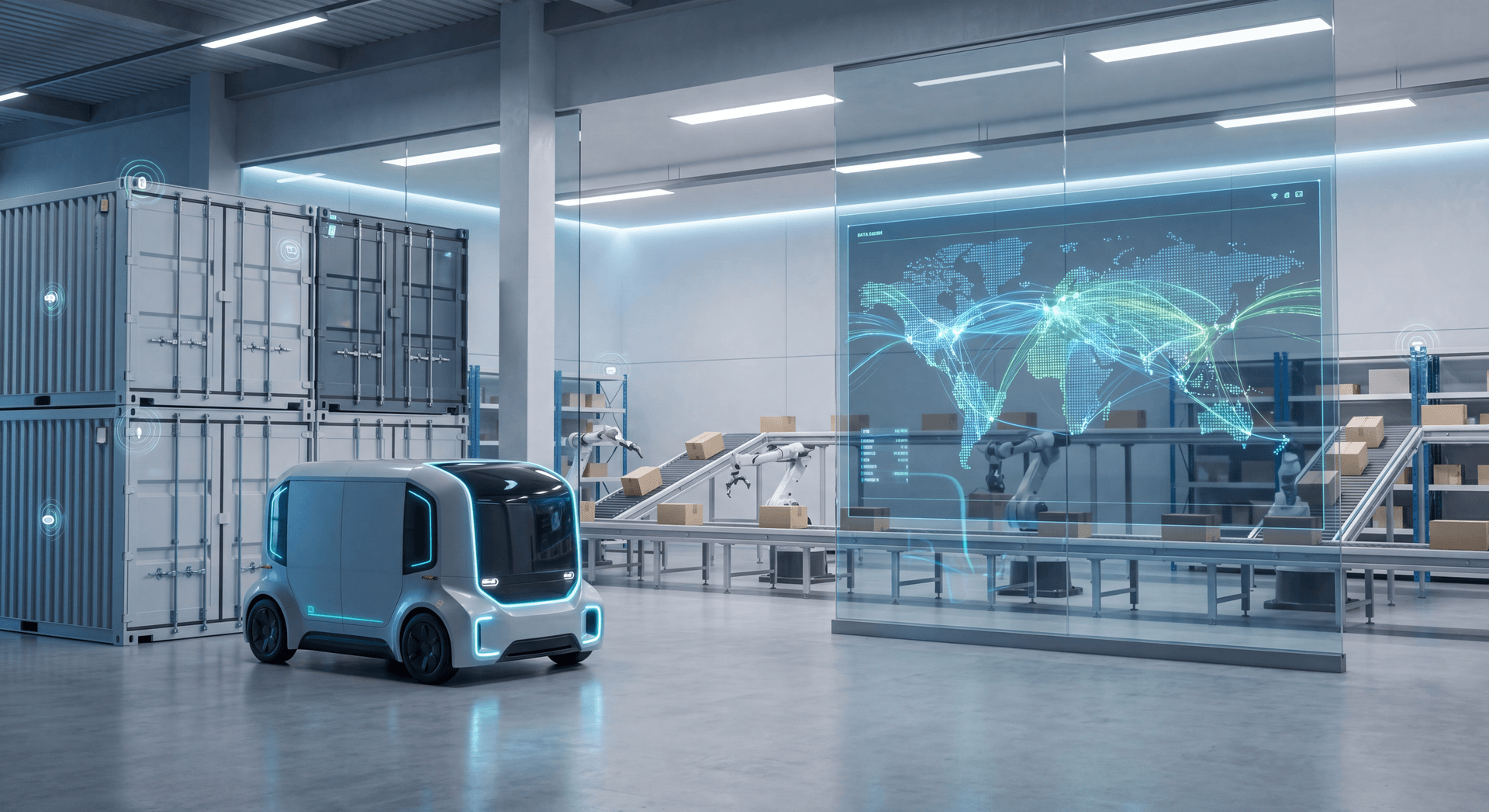
4. Enhanced Supply Chain Optimization
AI provides end-to-end visibility and optimization of supply chains, from raw material sourcing to final delivery. Machine learning algorithms can predict demand, optimize inventory levels, and identify potential disruptions before they occur.
Implementation Strategies for Hong Kong Manufacturers
1. Start with High-Value Use Cases
Manufacturers should prioritize AI implementations that deliver the highest return on investment. Common starting points include:
- Quality control and inspection
- Predictive maintenance
- Energy optimization
- Inventory management
2. Build Data Infrastructure
Successful AI implementation requires robust data collection and management systems. Companies should invest in IoT sensors, data storage, and analytics platforms to support their AI initiatives.
3. Work with Technology Partners
Many Hong Kong manufacturers benefit from partnering with AI solution providers who understand both the technology and local business context. These partners can help with implementation, training, and ongoing support.
4. Invest in Workforce Training
As AI systems are implemented, workforce training becomes crucial. Employees need new skills to work alongside AI systems, including data analysis, problem-solving, and system maintenance.
Challenges and Considerations
1. Implementation Costs
While AI offers significant benefits, initial implementation costs can be substantial. Manufacturers need to carefully evaluate the total cost of ownership and potential returns.
2. Data Security and Privacy
With increased connectivity comes greater security risks. Manufacturers must implement robust cybersecurity measures to protect sensitive production data and intellectual property.
3. Integration with Legacy Systems
Many manufacturers operate with legacy equipment and systems that may not be easily compatible with new AI technologies. Integration challenges require careful planning and investment.
4. Workforce Resistance
Employees may resist AI implementations due to fears of job displacement or unfamiliarity with new technologies. Change management and workforce training are essential for successful adoption.
Future Trends in AI Manufacturing
1. Edge Computing and On-Device AI
As AI becomes more sophisticated, there's a trend toward edge computing where AI processing happens directly on devices rather than in centralized servers. This reduces latency and improves real-time decision making.
2. Collaborative Robots (Cobots)
AI-powered collaborative robots are working alongside human workers, performing tasks that require precision, strength, or consistency while maintaining safe human-robot collaboration.
3. Autonomous Manufacturing Systems
The future of manufacturing lies in fully autonomous systems where AI manages all aspects of production, from planning and scheduling to execution and quality control.
4. Sustainable Manufacturing
AI is enabling more sustainable manufacturing by optimizing energy usage, reducing waste, and minimizing environmental impact. Green manufacturing is becoming increasingly important in Hong Kong's sustainability goals.
FAQ
Q: What is the typical ROI timeline for AI manufacturing implementation? A: Most Hong Kong manufacturers see positive ROI within 12-18 months, with quality control and predictive maintenance delivering returns as quickly as 6-9 months.
Q: How does AI manufacturing affect employment in Hong Kong? A: AI creates new roles in data analysis, system maintenance, and AI oversight while automating repetitive tasks. Overall employment remains stable but requires upskilling programs.
Q: What are the main barriers to AI adoption in manufacturing? A: Key barriers include high initial investment costs, integration with legacy systems, data security concerns, and workforce resistance to change.
Q: Which manufacturing sectors benefit most from AI implementation? A: Electronics, precision engineering, plastics manufacturing, and automotive assembly typically see the highest ROI from AI technologies in Hong Kong.
Q: How does Hong Kong compare to other Asian manufacturing hubs in AI adoption? A: Hong Kong leads in AI adoption quality and implementation speed but trails mainland China and South Korea in overall scale of manufacturing AI deployment.
Q: What skills are most needed for AI-powered manufacturing roles? A: Critical skills include data analysis, machine learning, IoT management, predictive maintenance, and human-AI collaboration expertise.
Conclusion
AI in manufacturing is transforming the industry in profound ways, offering unprecedented opportunities for efficiency, quality, and competitiveness. For Hong Kong manufacturers, embracing these technologies is essential for maintaining competitiveness in an increasingly globalized market.
The future belongs to those who can successfully integrate AI into their operations, creating smart factories that are efficient, flexible, and capable of meeting the demands of tomorrow's market. By starting strategically, investing in data infrastructure, and building workforce capabilities, manufacturers can position themselves at the forefront of this transformation.
The journey to AI-powered manufacturing is not without challenges, but the potential rewards—in terms of productivity, quality, and competitiveness—make it an essential investment for the future of manufacturing in Hong Kong and beyond.
JSON-LD Schema
{
  "@context": "https://schema.org",
  "@type": "Article",
  "headline": "AI in Manufacturing and Smart Factory Transformation: Revolutionizing Production in 2026",
  "description": "Comprehensive guide on AI manufacturing technologies, benefits, implementation strategies, and future trends for Hong Kong businesses.",
  "author": {
    "@type": "Organization",
    "name": "IoTree Ltd",
    "url": "https://iotree.hk"
  },
  "publisher": {
    "@type": "Organization",
    "name": "IoTree Ltd",
    "logo": {
      "@type": "ImageObject",
      "url": "https://blog.iotree.hk/logo.png"
    }
  },
  "datePublished": "2026-04-19",
  "dateModified": "2026-04-19",
  "mainEntityOfPage": {
    "@type": "WebPage",
    "@id": "https://blog.iotree.hk/ai-manufacturing-smart-factory-2026"
  },
  "keywords": ["AI in manufacturing", "smart factories", "IoT manufacturing", " predictive maintenance", "quality control AI", "Hong Kong manufacturing", "digital transformation", "Industry 4.0"],
  "articleSection": "Technology",
  "wordCount": 2150,
  "image": {
    "@type": "ImageObject",
    "url": "https://blog.iotree.hk/images/ai-manufacturing-cover.png",
    "width": 1200,
    "height": 800
  },
  "statistics": [
    {
      "metric": "Global AI manufacturing market",
      "value": "$52.9 billion",
      "source": "IDC",
      "year": "2026"
    },
    {
      "metric": "CAGR growth rate",
      "value": "38.2%",
      "source": "IDC",
      "year": "2026"
    },
    {
      "metric": "Defect reduction rate",
      "value": "67%",
      "source": "Industry average",
      "year": "2026"
    },
    {
      "metric": "Maintenance cost savings",
      "value": "25-30%",
      "source": "McKinsey",
      "year": "2026"
    }
  ]
}