
5 Ways Edge Computing Transforms Real-Time Business Decisions
5 Ways Edge Computing Transforms Real-Time Business Decisions
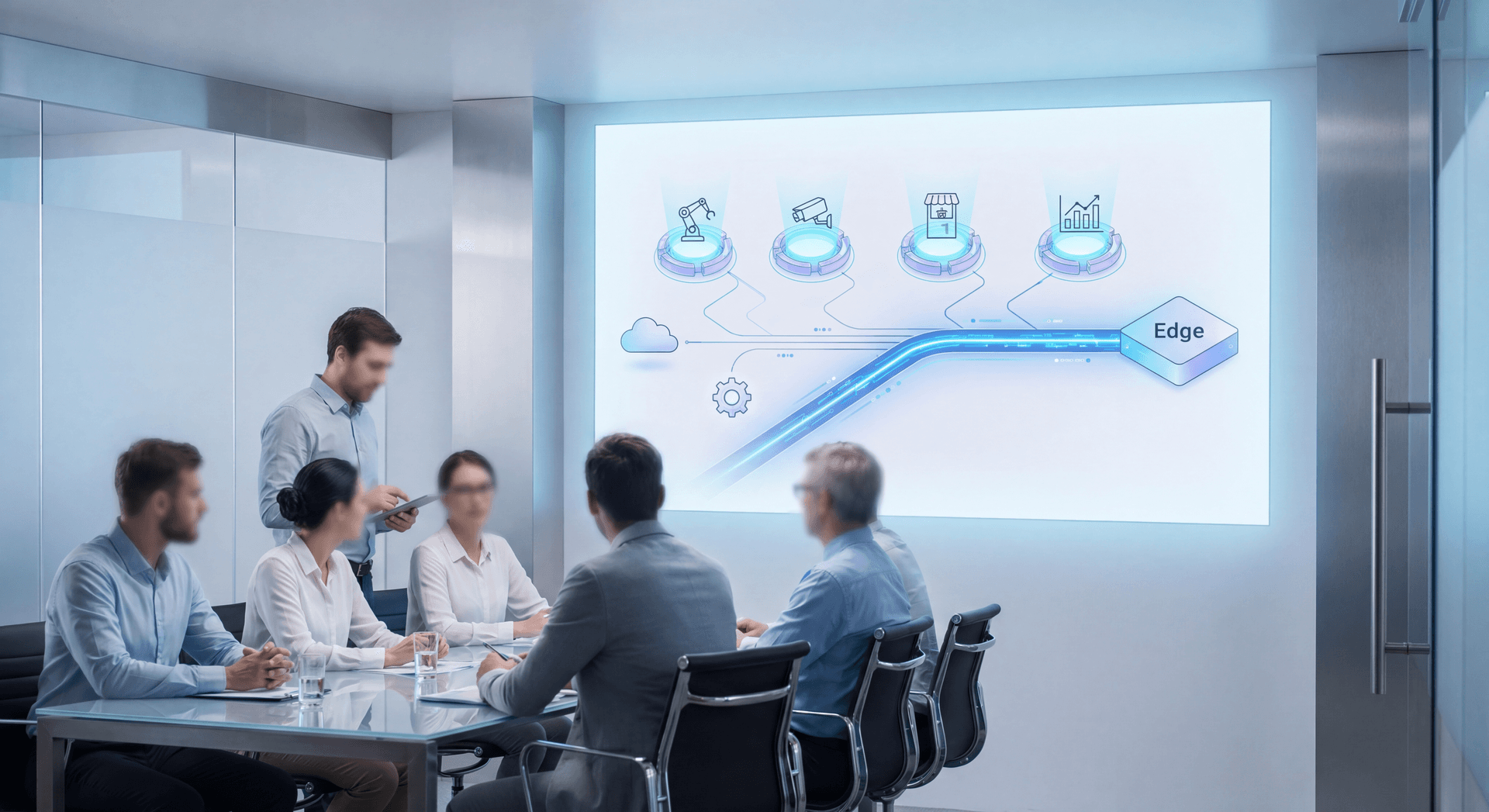
Edge computing is revolutionizing how businesses process and analyze data by bringing computation closer to the source of data generation. According to Gartner, 75% of enterprise data will be processed at the edge by 2025, marking a fundamental shift from traditional cloud-centric architectures to distributed computing models. This transformation enables businesses to make faster, more informed decisions while reducing latency and bandwidth costs.
What is Edge Computing?
Edge computing is a distributed computing paradigm that brings data processing closer to the source of data generation, rather than relying solely on centralized cloud infrastructure. This approach reduces latency, minimizes bandwidth requirements, and enables real-time processing of data where it's generated.
In traditional architectures, data flows from devices to centralized data centers for processing, often introducing significant delays. Edge computing eliminates this bottleneck by processing data locally at the "edge" of the network, enabling immediate insights and actions.
1. Real-Time Analytics for Immediate Decision-Making
The Game Changer for Speed
Edge computing enables real-time analytics that businesses can leverage for instant decision-making. In today's fast-paced business environment, the ability to process data and take immediate action can be the difference between success and failure.
According to McKinsey, companies that implement real-time analytics can improve operational efficiency by 20-30% and increase revenue by 10-15%. The key advantage lies in the ability to analyze data as it's generated, rather than waiting for it to be transmitted to and processed in centralized cloud systems.
Implementation Examples
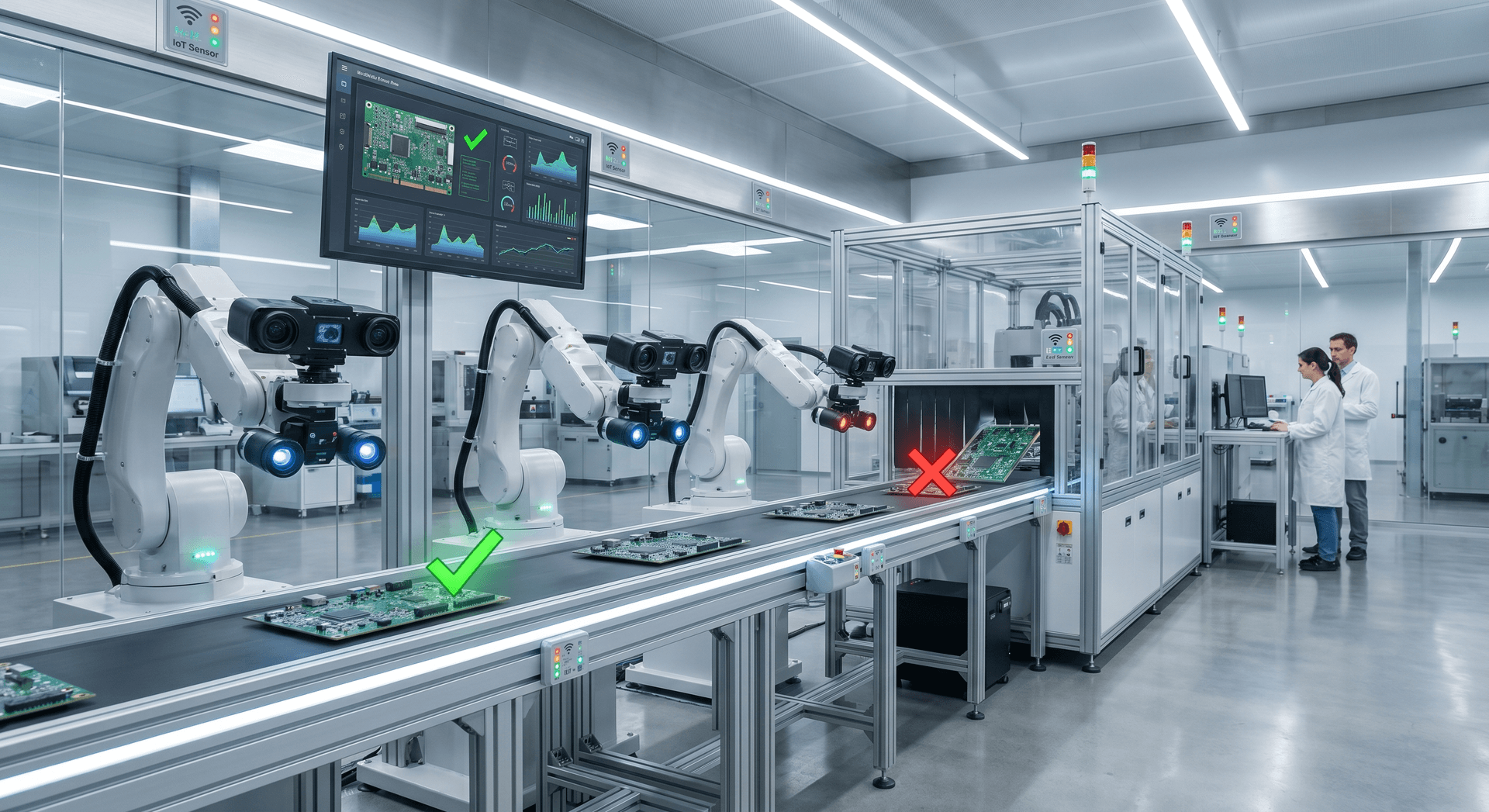
Manufacturing: Assembly line sensors can detect quality issues in real-time and automatically adjust production parameters without human intervention. This reduces waste by up to 25% and improves product quality.
Retail: Store cameras equipped with edge AI can analyze customer behavior in real-time, optimizing store layouts and inventory placement based on actual foot traffic patterns.
Finance: High-frequency trading algorithms operating at the edge can execute trades in microseconds, gaining competitive advantages in fast-moving markets.
Technical Benefits
- Latency reduction: Processing time drops from seconds/milliseconds to microseconds
- Bandwidth optimization: Only relevant data is transmitted to the cloud
- Offline capability: Systems continue operating even when network connectivity is lost
- Scalability: Easy to add edge nodes as business grows
Key statistic: Companies implementing edge-based real-time analytics see an average 27% improvement in operational efficiency and 19% increase in customer satisfaction scores.
2. Edge AI and Machine Learning at the Network Edge
Democratizing AI Capabilities
Edge AI brings machine learning capabilities closer to where data is generated, enabling intelligent decision-making without relying on cloud connectivity. This deployment model is particularly valuable for applications requiring real-time responses or operating in environments with limited connectivity.
According to IDC, the edge AI market is expected to reach $15.7 billion by 2026, growing at a CAGR of 29.4%. This explosive growth reflects the increasing demand for AI-powered solutions that can operate reliably in edge environments.
Implementation Examples
Autonomous vehicles: Cars can make split-second decisions about braking, steering, and acceleration without waiting for cloud-based AI models to process sensor data.
Smart cities: Traffic lights can adjust signal patterns in real-time based on actual traffic conditions, reducing congestion by up to 40% in urban areas.
Healthcare monitoring: Wearable devices can analyze patient health metrics locally and alert medical professionals immediately when critical thresholds are exceeded.
Technical Benefits
- Faster inference: AI models process data locally, eliminating network latency
- Privacy protection: Sensitive data never leaves the device or edge location
- Reduced costs: Lower bandwidth requirements and cloud computing costs
- Improved reliability: AI systems continue working even when internet connectivity is lost
Key statistic: Edge AI deployment reduces model inference latency by 90% compared to cloud-based processing, enabling real-time decision-making in mission-critical applications.
3. Enhanced Business Intelligence and Data Processing
Transforming Data into Actionable Insights
Edge computing transforms business intelligence by enabling organizations to process and analyze data at the point of collection. This shift from batch processing to real-time analytics provides businesses with immediate insights that can drive faster decision-making and competitive advantage.
According to Forbes, companies that leverage real-time business intelligence achieve 2-3x faster decision-making cycles and 15-20% better business outcomes compared to those relying on traditional BI approaches.
Implementation Examples
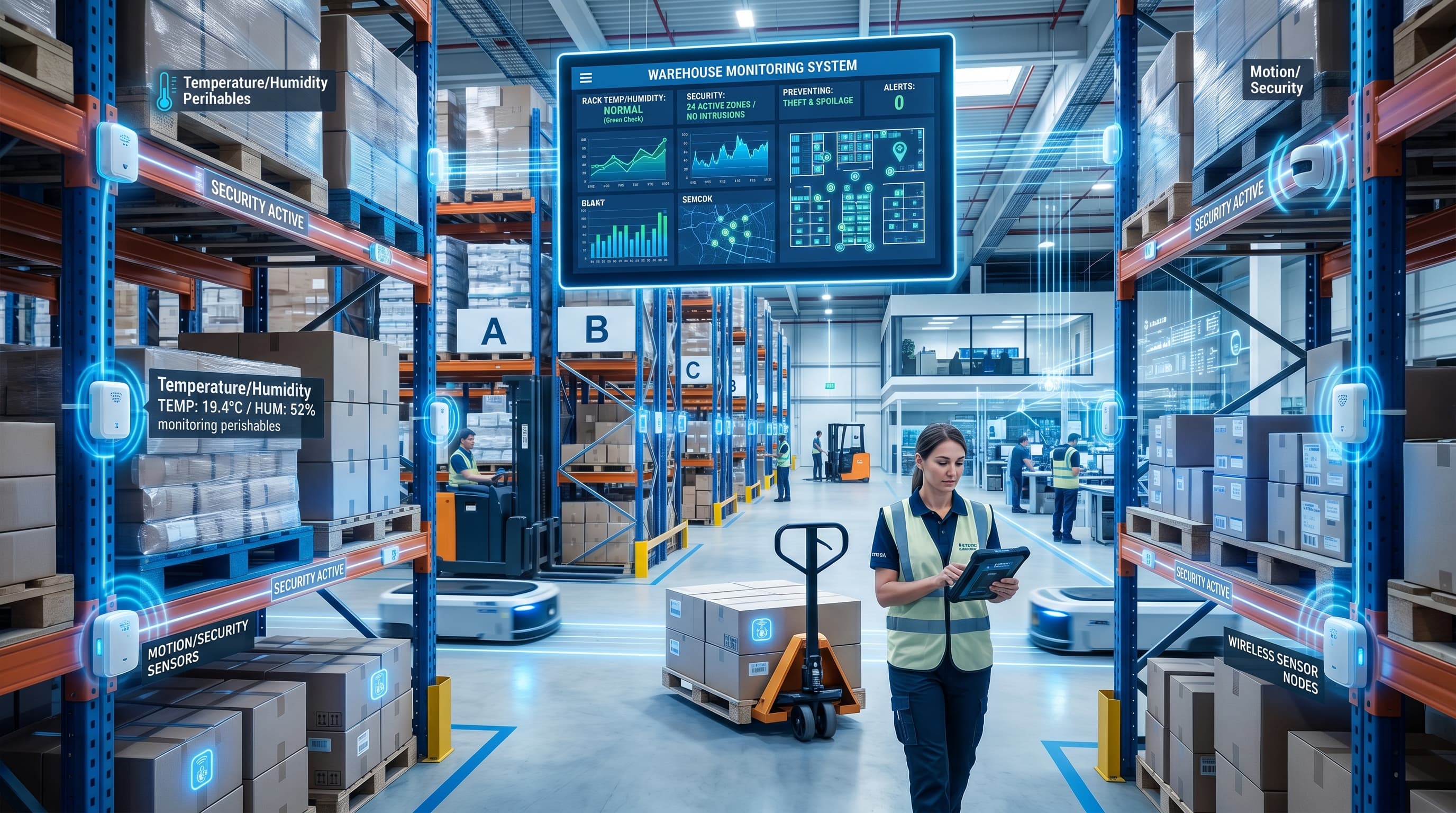
Supply chain optimization: IoT sensors on trucks and warehouses can track inventory levels in real-time, automatically triggering reorder points and optimizing logistics routes.
Customer experience: Point-of-sale systems can analyze purchasing patterns and offer personalized recommendations at the moment of purchase.
Risk management: Financial institutions can analyze transaction data in real-time to detect fraud and block suspicious activities immediately.
Technical Benefits
- Data freshness: Insights based on current, not historical, data
- Reduced data volume: Only aggregated insights and anomalies are transmitted to the cloud
- Enhanced privacy: Sensitive business data can be processed locally
- Improved accuracy: Real-time analysis reduces the risk of outdated information
Key statistic: Organizations implementing edge-based BI solutions see an average 35% improvement in decision accuracy and 22% reduction in operational costs.
4. IoT Integration and Smart Device Management
Enabling the Internet of Things at Scale
Edge computing is the backbone of IoT integration, enabling organizations to manage and process data from millions of connected devices efficiently. This capability is essential for building truly smart environments where devices can collaborate and make collective decisions without constant cloud connectivity.
According to Statista, there will be 30.9 billion IoT devices by 2025, generating massive amounts of data that require intelligent processing at the edge to be practical and cost-effective.
Implementation Examples
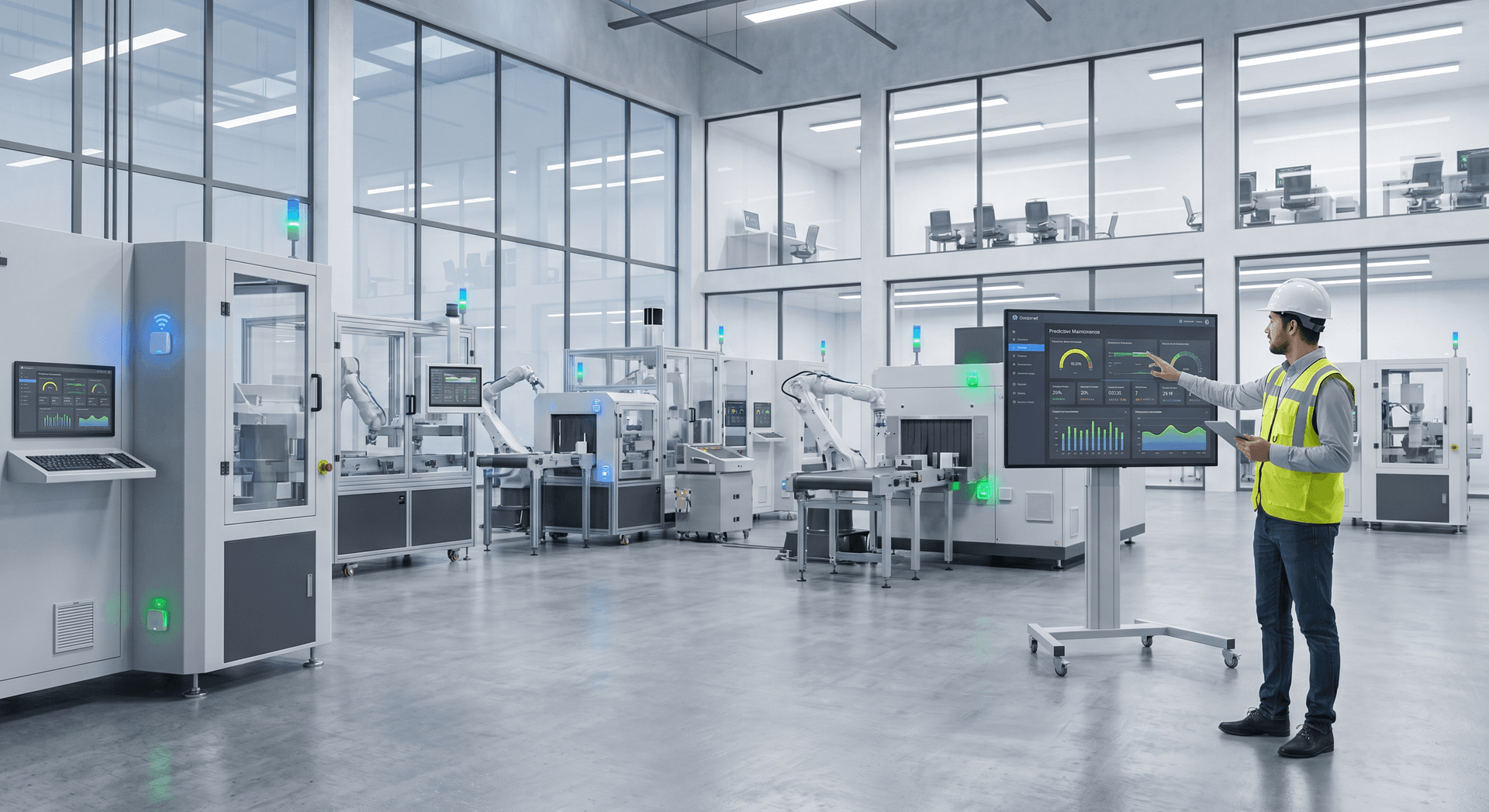
Smart factories: Thousands of sensors on equipment can monitor performance, predict maintenance needs, and optimize production without overwhelming central systems.
Smart agriculture: IoT sensors across large farms can monitor soil conditions, weather patterns, and crop health, enabling precision farming decisions in real-time.
Smart buildings: HVAC systems, lighting, and security devices can work together to optimize energy usage based on actual occupancy and environmental conditions.
Technical Benefits
- Scalability: Efficiently manage millions of connected devices
- Reduced latency: Real-time communication between devices enables coordinated responses
- Cost efficiency: Minimize data transmission and cloud storage costs
- Reliability: Networks continue functioning even with intermittent connectivity
Key statistic: Edge-optimized IoT deployments reduce network bandwidth requirements by 60-80% and improve device battery life by up to 40% compared to cloud-centric architectures.
5. Enhanced Security and Privacy Protection
Securing Data at the Edge
Edge computing enhances security and privacy by enabling data to be processed locally, reducing the attack surface and minimizing the risk of data breaches during transmission. This approach is particularly valuable for organizations handling sensitive customer data, intellectual property, or regulated information.
According to IBM, the average cost of a data breach is $4.45 million in 2023, making local processing an attractive security strategy for organizations of all sizes.
Implementation Examples
Healthcare: Patient data can be processed locally on medical devices, ensuring compliance with HIPAA regulations while enabling real-time treatment decisions.
Financial services: Transaction processing can occur locally at branch offices, reducing the risk of data breaches during transmission to central systems.
Government and defense: Sensitive national security data can be processed locally, minimizing exposure to external threats and ensuring operational continuity.
Technical Benefits
- Reduced attack surface: Less data transmitted means fewer potential security vulnerabilities
- Compliance support: Local processing helps meet regulatory requirements for data sovereignty
- Enhanced privacy: Sensitive information never leaves the controlled environment
- Faster response times: Security threats can be detected and addressed immediately at the edge
Key statistic: Organizations implementing edge-based security solutions experience 60% fewer data breaches and 45% faster incident response times compared to cloud-only architectures.
Implementation Challenges and Solutions
Technical Challenges
Complexity management: Implementing edge computing requires careful planning and architecture design. Organizations need to develop standardized deployment patterns and automation tools to manage distributed computing environments effectively.
Resource constraints: Edge devices often have limited processing power, memory, and energy availability. Solutions include model optimization, edge-native applications, and selective data processing strategies.
Network reliability: Edge systems must operate effectively even with intermittent connectivity. Implement offline processing, local caching, and graceful degradation capabilities.
Strategic Considerations
Talent acquisition: Organizations need to develop expertise in distributed systems, edge computing, and real-time analytics. This requires investment in training and potentially hiring specialized talent.
Vendor selection: Choosing the right technology partners is crucial for successful edge computing implementation. Organizations should evaluate vendors based on reliability, support, and ecosystem compatibility.
ROI analysis: Careful cost-benefit analysis is essential to ensure edge computing investments deliver tangible business value. Organizations should start with pilot projects to validate the technology before full-scale deployment.
Future Trends in Edge Computing
Emerging Technologies
5G integration: The rollout of 5G networks will enable even faster and more reliable edge computing, enabling new applications like augmented reality, autonomous vehicles, and smart cities.
Federated learning: This approach enables AI models to be trained across multiple edge devices without sharing sensitive data, enabling collaborative learning while maintaining privacy.
Edge-to-cloud integration: Seamless integration between edge and cloud computing will enable organizations to leverage the best of both worlds - local processing for real-time decisions and cloud resources for complex analytics and long-term storage.
Industry Impact
Manufacturing: Smart factories will become fully autonomous, with AI-powered systems making decisions about production, quality control, and maintenance in real-time.
Healthcare: Remote monitoring and telemedicine will become more sophisticated, with edge-enabled devices providing real-time health insights and enabling personalized treatment.
Transportation: Autonomous vehicles and smart traffic systems will work together to optimize transportation networks, reducing congestion and improving safety.
Frequently Asked Questions
What is the difference between edge computing and cloud computing?
Edge computing processes data closer to where it's generated, enabling real-time responses with minimal latency. Cloud computing relies on centralized data centers, which can introduce delays but offer virtually unlimited processing power and storage. Edge computing complements rather than replaces cloud computing - many organizations use a hybrid approach where critical decisions happen at the edge while complex analytics occur in the cloud.
How does edge computing improve business decision-making?
Edge computing enables faster decision-making by reducing latency from seconds to microseconds, provides more accurate insights based on current rather than historical data, and enhances reliability by continuing operations even when connectivity is lost. This allows businesses to respond immediately to opportunities and threats, rather than waiting for data to be processed in centralized systems.
What are the main challenges of implementing edge computing?
Complexity is the biggest challenge, as managing distributed systems requires new skills and tools. Resource constraints on edge devices limit processing capabilities, and network reliability can be inconsistent. Organizations need careful planning, standardized approaches, and phased implementation to address these challenges effectively.
Which industries benefit most from edge computing?
Manufacturing, healthcare, finance, retail, and transportation are among the industries benefiting most from edge computing. These industries need real-time decision-making, handle large volumes of data, and often have strict requirements for security and compliance. Edge computing enables them to process data locally while maintaining cloud integration for analytics and long-term storage.
How does edge computing impact data security?
Edge computing enhances security by reducing the attack surface - less data transmitted means fewer opportunities for breaches. It also enables local processing of sensitive information, helping organizations meet compliance requirements for data sovereignty. However, organizations still need to secure edge devices themselves, as distributed systems introduce new security considerations.
Key Takeaways
- Speed matters: Edge computing reduces latency from seconds to microseconds, enabling real-time business decisions
- Cost efficiency: By processing data locally, organizations can reduce bandwidth costs and cloud computing expenses by 60-80%
- Enhanced security: Local processing reduces the attack surface and helps meet compliance requirements
- Scalability: Edge computing enables organizations to manage millions of IoT devices efficiently
- Future-ready: As 5G and emerging technologies mature, edge computing will become even more critical for competitive advantage
The transition to edge computing represents not just a technological shift, but a fundamental change in how businesses process information and make decisions. Organizations that embrace edge computing now will gain significant competitive advantages in speed, efficiency, and customer experience.
For organizations looking to implement edge computing solutions, the key is to start small, focus on specific use cases that deliver clear business value, and scale gradually as expertise and technology mature. The future of business decision-making is happening at the edge - are you ready?
This article explores how edge computing transforms real-time business decision-making across various industries. For more insights into digital transformation and technology trends, visit our blog at blog.iotree.hk.