
AI-Powered Customer Experience and Personalization for Modern Businesses
AI-Powered Customer Experience and Personalization for Modern Businesses
Introduction
In today's hyper-competitive digital landscape, customer experience has emerged as the key differentiator for businesses aiming to thrive and grow. Companies that excel at delivering personalized, seamless experiences are not just attracting customers—they're building loyal relationships that drive long-term success. According to recent research, 80% of consumers are more likely to make a purchase when brands offer personalized experiences, while 76% of consumers get frustrated when interactions aren't personalized.
The integration of artificial intelligence into customer experience strategies has revolutionized how businesses understand, engage, and serve their customers. AI-powered personalization goes far beyond simply addressing customers by name; it encompasses sophisticated algorithms that analyze vast amounts of data to predict preferences, anticipate needs, and deliver tailored experiences at scale. This comprehensive exploration delves into the transformative power of AI in customer experience, examining the technologies driving this revolution, the benefits for businesses, real-world implementations, and the future trajectory of AI-powered personalization.
The Evolution of Customer Experience: From Basic Service to AI-Powered Personalization
Customer experience has undergone a remarkable evolution over the past few decades. In the early days of commerce, customer service was primarily reactive, focusing on resolving complaints and addressing immediate needs. As businesses moved into the digital era, customer experience began to incorporate more proactive approaches, but personalization remained limited and often manual.
The advent of big data and advanced analytics marked a turning point, enabling businesses to collect and process unprecedented amounts of customer information. However, it was the emergence of artificial intelligence and machine learning that truly transformed personalization from a manual, time-consuming process to an automated, scalable capability. Today's AI systems can process millions of data points in real-time, identifying patterns and delivering insights that would take human analysts months to uncover.
Modern AI-powered customer experience platforms combine natural language processing, machine learning, predictive analytics, and automation to create truly personalized experiences. These systems can understand customer sentiment, predict behavior, and deliver the right message, at the right time, through the right channel—all while continuously learning and improving based on ongoing interactions.
Key Technologies Driving AI-Powered Customer Experience
Machine Learning and Predictive Analytics
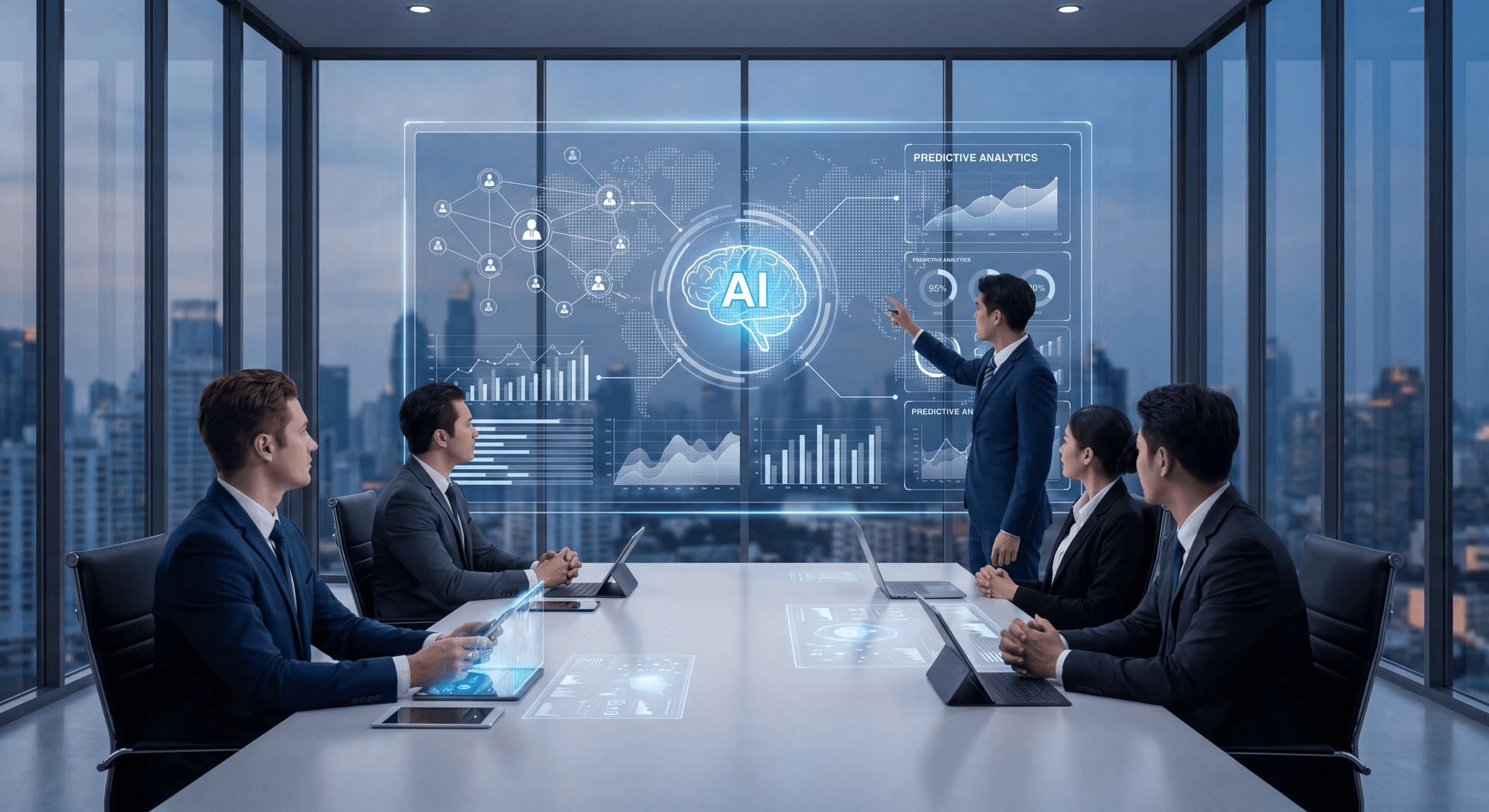
Machine learning enables systems to learn from historical data and make predictions about future customer behavior. These algorithms analyze purchase history, browsing patterns, and demographic information to identify trends and preferences. Key applications include predicting customer churn, identifying cross-selling opportunities, and anticipating needs based on behavior patterns.
Natural Language Processing (NLP)
NLP transforms text and voice interactions by enabling chatbots and virtual assistants to understand customer inquiries and provide human-like responses. Advanced NLP systems can interpret intent, extract information, and handle multiple languages. Modern chatbots handle complex inquiries, resolve issues, and provide 24/7 support.
Recommendation Engines
AI-powered recommendation systems analyze customer behavior to suggest relevant products and content. Using collaborative filtering (finding user similarities), content-based filtering (matching preferences), and real-time analysis, these systems drive significant revenue—Netflix's system influences viewing decisions while Amazon's drives about 35% of total sales.
Computer Vision and Image Recognition
Computer vision enables immersive shopping experiences through virtual try-ons, visual product search, and in-store analytics. Combined with augmented reality, these technologies allow customers to visualize products in their own space, reducing returns and enhancing satisfaction.
Benefits of AI-Powered Customer Experience
Enhanced Customer Satisfaction and Loyalty
AI-powered personalization dramatically improves customer satisfaction by delivering relevant interactions that make customers feel valued. This emotional connection leads to higher retention rates (up to 15% increase), increased lifetime value, positive brand perception, and higher recommendation rates. Personalized experiences also reduce frustration by providing exactly what customers need when they need it.
Improved Business Efficiency and Cost Reduction
AI delivers substantial efficiency gains by automating routine interactions and optimizing processes. Key benefits include reduced customer service costs (AI chatbots handle up to 80% of inquiries), faster resolution times, optimized resource allocation, and reduced human error. Banks using AI-powered chatbots can reduce costs by up to 30% while improving satisfaction, and retailers optimize inventory management to reduce storage costs and stockouts.
Data-Driven Decision Making
AI-powered customer experience generates vast amounts of valuable data about customer behavior, preferences, and needs. This data provides businesses with unprecedented insights that can inform strategic decisions across all departments. Benefits include:
- Better product development (understanding what customers actually want)
- Improved marketing effectiveness (targeting the right customers with the right messages)
- Enhanced customer journey mapping (identifying pain points and opportunities)
- More accurate forecasting and planning
Data-driven decision making enables businesses to move beyond assumptions and intuition, making choices based on concrete evidence and predictive insights. This approach reduces risk and increases the likelihood of successful outcomes.
Increased Revenue and Market Share
Ultimately, AI-powered customer experience drives revenue growth and market expansion. By delivering superior customer experiences and personalization, businesses can:
- Increase conversion rates (personalized experiences can boost conversion by up to 20%)
- Improve average order values (relevant recommendations drive larger purchases)
- Expand customer base (positive experiences lead to word-of-mouth marketing)
- Enter new markets with confidence (AI insights reveal opportunities)
According to industry research, companies that excel at customer experience generate 5.7 times more revenue than competitors that don't prioritize personalization. AI-powered systems help businesses achieve this excellence by scaling personalization capabilities that would be impossible through manual efforts.
Real-World Applications of AI in Customer Experience
E-commerce and Retail
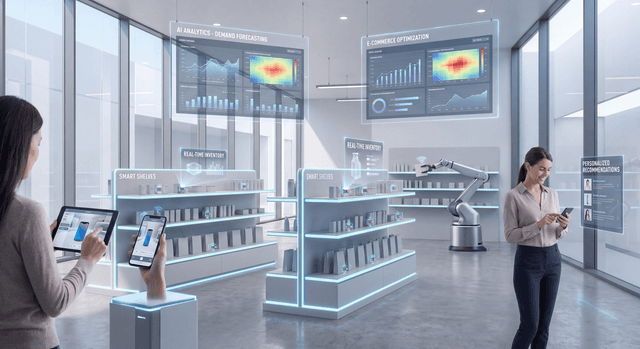
Leading retailers use AI to create personalized shopping experiences. Applications include personalized recommendations (driving 35% of Amazon's sales), dynamic pricing, visual search (ASOS, Pinterest), and virtual shopping assistants. Neiman Marcus saw 16% higher conversion rates and 27% increased average order value with their AI personalization engine.
Banking and Financial Services
Banks use AI to enhance customer service while improving security. Key applications include AI-powered chatbots handling routine inquiries, real-time fraud detection, personalized robo-advisors, and automated loan processing. JPMorgan Chase's "COIN" system processes loan applications in seconds rather than hours.
Healthcare and Medical Services
Healthcare providers are leveraging AI to improve patient experience and outcomes. Applications include:
- Personalized treatment recommendations: AI systems analyze patient data to suggest personalized treatment plans based on individual health profiles and medical history.
- Virtual health assistants: AI-powered chatbots provide patients with health information, appointment scheduling, and medication reminders.
- Predictive analytics for patient care: AI systems identify patients at risk of developing certain conditions, enabling proactive interventions.
- Personalized health coaching: AI-powered apps provide personalized fitness and nutrition recommendations based on individual goals and progress.
Mayo Clinic implemented an AI-powered patient scheduling system that reduced appointment wait times by 30% while improving patient satisfaction. The system analyzes patient preferences, provider availability, and medical history to optimize scheduling decisions.
Travel and Hospitality
The travel industry uses AI to create personalized experiences and improve operational efficiency. Key applications include:
- Personalized travel recommendations: AI systems analyze traveler preferences to suggest destinations, accommodations, and activities.
- Dynamic pricing and availability: AI optimizes pricing based on demand, seasonality, and competitor pricing.
- Virtual travel assistants: AI-powered chatbots help travelers with bookings, itinerary changes, and real-time assistance during their journeys.
- Personalized loyalty programs: AI systems analyze customer behavior to create tailored rewards and benefits that drive loyalty.
Airbnb implemented an AI-powered pricing tool that helps hosts optimize their rental prices based on demand, seasonality, and local market conditions. The system analyzes millions of data points to provide personalized pricing recommendations, resulting in increased revenue for hosts and better value for guests.
Manufacturing and Industrial
Manufacturers are using AI to improve customer experience throughout the product lifecycle. Applications include:
- Predictive maintenance: AI systems analyze equipment data to predict when maintenance will be needed, reducing downtime and improving reliability.
- Personalized product configuration: AI-powered systems help customers customize products to their exact specifications.
- AI-powered customer support: Virtual assistants help customers troubleshoot issues and find solutions.
- Supply chain optimization: AI systems analyze customer demand and optimize production and distribution accordingly.
Siemens implemented an AI-powered customer service platform that provides real-time support to industrial customers. The system analyzes equipment data to identify potential issues and provides proactive maintenance recommendations, reducing downtime and improving customer satisfaction.
Implementation Strategies for AI-Powered Customer Experience
Data Collection and Integration
Successful AI implementation requires comprehensive data collection from multiple sources: customer interactions, transaction history, website usage, feedback, and demographic data. The key challenge is integrating these sources into a unified customer view using robust data management systems and quality processes.
Technology Infrastructure
Choosing the right AI infrastructure is critical. Businesses must consider AI platforms suitable for specific use cases, cloud vs. on-premises solutions, integration capabilities with existing systems, and scalability requirements. Many work with specialized vendors to navigate the complex technology landscape.
Change Management and Training
Implementing AI requires significant change management. Key considerations include upskilling employees to work alongside AI systems, communicating how AI enhances human capabilities, reengineering processes for AI integration, and adjusting performance metrics. Successful implementations recognize AI as a tool to augment human capabilities.
Ethical AI Implementation
Businesses must address ethical considerations including data privacy, preventing algorithmic bias, transparency in decision-making, and establishing accountability for AI outcomes. Responsible AI requires careful planning, ongoing monitoring, and governance frameworks that prioritize customer interests.
Future Trends in AI-Powered Customer Experience
Hyper-Personalization at Scale
The future lies in hyper-personalization—experiences so tailored that customers feel the business knows them intimately. AI will enable real-time personalization across touchpoints, predictive experiences that anticipate needs, emotional intelligence that adapts to mood, and self-improving systems that continuously refine personalization algorithms.
Conversational AI and Voice-Enabled Experiences
Voice and conversational AI will become increasingly important, offering natural human-like conversations, multi-language support, voice-activated service, and conversational commerce. Voice-enabled experiences provide hands-free interactions and accessibility through natural conversation.
AI-Enhanced Emotional Intelligence
Future AI systems will develop greater emotional intelligence, recognizing customer emotions in real-time, adapting communication styles, providing empathetic responses, and building emotional connections between customers and brands.
Immersive and Augmented Experiences
AR and VR will combine with AI to create immersive experiences including virtual try-ons, AR-powered navigation, virtual shopping assistants, and immersive demonstrations, blurring physical and digital boundaries.
Ethical AI and Customer Trust
As AI evolves, ethical considerations become crucial: transparent decision-making, bias detection, privacy preservation, and customer control over personalization and data. Businesses prioritizing ethical AI will build greater trust and loyalty.
Challenges and Considerations
Data Privacy and Security
Balancing personalization with privacy requires collecting only necessary data, implementing robust security, being transparent about usage, and complying with regulations like GDPR and CCPA. Data breaches can severely damage trust and reputation.
Bias and Fairness
AI systems can perpetuate training data biases, leading to unfair treatment. Businesses must regularly audit systems, use diverse training data, implement fairness metrics, and provide human oversight for critical decisions.
Implementation Complexity
AI implementation is complex and resource-intensive, requiring significant investment, integration with existing systems, ongoing maintenance, and specialized expertise. Many businesses start with specific use cases and scale gradually.
Customer Acceptance
Not all customers are comfortable with AI interactions. Businesses must understand preferences, provide human escalation options, build trust through transparency, and educate customers about AI benefits and capabilities.
Conclusion: The Future is AI-Powered
AI-powered customer experience represents the future of business relationships, offering unprecedented opportunities for personalization, efficiency, and engagement. As AI technologies evolve, businesses that embrace these innovations will thrive in competitive markets.
The key is balancing technological capabilities with human understanding—using AI to enhance rather than replace human interactions while always putting customer needs first. This balance builds lasting relationships, drives sustainable growth, and creates experiences that delight and inspire.
The most successful companies will view AI as a strategic approach to understanding and serving customers better than ever before, harnessing its power to create meaningful, personalized experiences customers love and remember.